How Live Casino Game Shows Are Created: Studio Engineering & Math
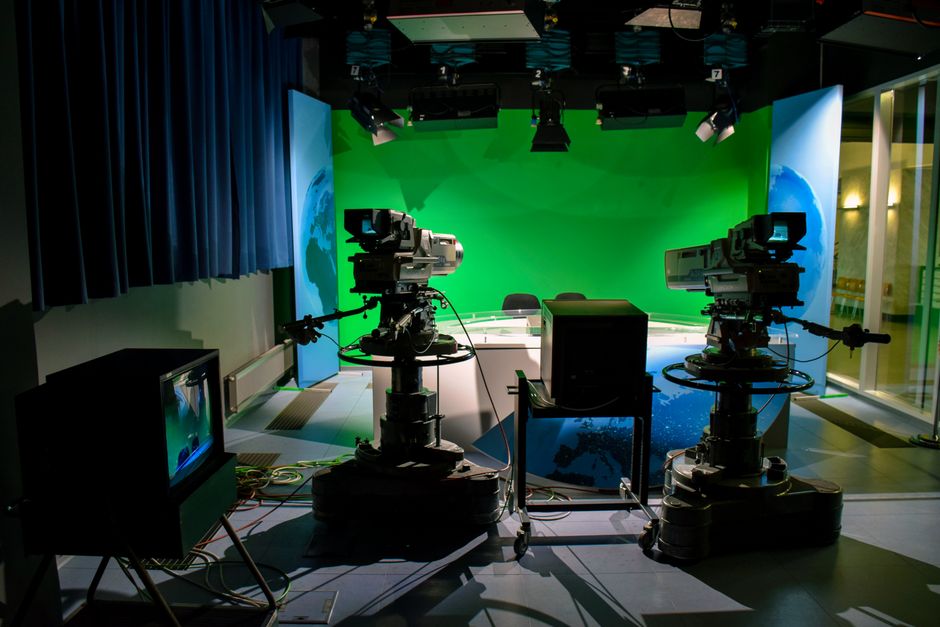
Over the past several years, live entertainment gambling has evolved beyond traditional blackjack and roulette layouts into high-production broadcast experiences. Discovering how live casino game shows are created reveals how top software developers merge classic carnival wheels, television production, real-time augmented reality (AR), and hybrid mathematical engines to build engaging multiplayer titles like Crazy Time, Monopoly Live, and Sweet Bonanza CandyLand.
These games represent the intersection of high-stakes gambling, theatrical game hosting, and software engineering.
The Creative Genesis: Merging Gambling with Entertainment
The concept behind live game shows originated from a simple player-retention dilemma: traditional table games can feel intimidating or repetitive to casual players.
When analyzing how live casino game shows are created, the production roadmap always starts with entertainment-first design principles:
- Accessible Core Mechanics: Replacing complex card-counting decisions with intuitive vertical money wheels, bingo ball drums, or coin flips.
- High-Payout Multipliers: Integrating multi-tiered bonus rounds capable of paying 5,000x to 25,000x the initial stake, delivering lottery-style excitement.
- Theatrical Hosting: Replacing formal casino croupiers with outgoing television presenters trained to maintain conversational energy, banter with live chat rooms, and celebrate big wins.
The Technical Pillars: Building a Game Show Environment
Creating a competitive live game show requires specialized engineering across multiple fields:
| Production Layer | Underlying Technology | Player Experience Contribution |
|---|---|---|
| Physical Set Construction | Custom-engineered vertical wheels & mechanical ball hoppers | Provides authentic, tangible physical anchors that players can see spin |
| Augmented Reality (AR) | Real-time chroma keying & spatial 3D engine tracking | Renders digital 3D characters and animated bonus worlds beside human hosts |
| Hybrid Math Engines | Physical probability paired with certified digital RNG seeds | Balances predictable wheel odds with explosive digital multipliers |
| Automated Camera Switching | Sensor-triggered cinematic PTZ camera tracking | Cuts automatically to close-ups and victory angles during bonus rounds |
The Integration of Augmented Reality (AR)
The element that sets modern game shows apart is the integration of real-time augmented reality:
- Studio Green-Screen Integrations: Presenters walk through physical sets surrounded by high-resolution green-screen stages.
- Camera Tracking Sensors: Broadcast cameras feature mechanical positional sensors that relay pan, tilt, zoom, and lens data to a graphics rendering engine (often Unreal Engine).
- Spatial Synchronization: As the camera moves, the virtual 3D environment updates its perspective at 60 frames per second. This allows a live host to walk beside a digital 3D character (like Mr. Monopoly) or enter an animated virtual theme park without visual tearing or perspective mismatches.
The Hybrid Mathematics: Physical Wheels vs. Digital RNGs
A critical challenge when investigating how live casino game shows are created is balancing the physical mechanics with high-volatility bonus features:
- The Physical Anchor: The base game relies on a physical mechanism—such as a 54-segment vertical wheel spun by the human host. The probability of landing on a specific number or bonus segment is mathematically fixed based on the number of physical segments on the wheel.
- The Digital Transition: When the flapper stops on a bonus segment (such as Pachinko or Cash Hunt), the game seamlessly hands execution over to a certified Random Number Generator (RNG).
- Volatility Scaling: The RNG calculates multi-tier bonus multipliers using complex probability distribution curves, allowing the developer to offer exciting top prizes without compromising the overall theoretical Return to Player (RTP).
Live Presenter Training and Compliance Auditing
Hosting a live game show requires specialized talent:
- Audition and Theatrical Training: Presenters undergo screen tests, vocal coaching, and improvisation training to handle live television banter effortlessly while managing game pacing.
- Compliance Certification: Hosts are trained on regulatory guidelines, ensuring they avoid making misleading claims regarding odds, never encourage reckless chasing of losses, and strictly adhere to fair-play presentation protocols.
- Physical Set Auditing: Regulators and independent testing labs (like eCOGRA) inspect physical wheels for balance and verify that camera-triggered sensor arrays read flapper stops with complete accuracy.
Frequently Asked Questions
Are the multipliers in live game show bonus rounds pre-determined?
No. Multipliers generated during digital bonus rounds are calculated in real time using certified Random Number Generators the moment the bonus round initiates. The outcomes are completely unpredictable and mathematically independent.
Why do live game shows have lower RTPs than traditional blackjack?
Live game shows are engineered with higher house edges (typically featuring theoretical RTPs between 94.00% and 96.50%) to fund their substantial television production overhead and support massive top-tier win multipliers that can reach up to 20,000x.
How do game shows handle physical wheel maintenance?
Engineering teams balance, lubricate, and laser-level physical money wheels daily. Technicians measure flapper tension and examine segment pins to ensure the wheel provides an unbiased, truly random distribution of outcomes.
Conclusion
Understanding how live casino game shows are created highlights the innovation driving modern iGaming. By combining television production values, physical carnival wheels, and real-time augmented reality graphics with certified mathematical models, game studios have established a dynamic gaming format that redefines how players experience online gambling.


Comments
Post a Comment