Trends in Online Casino Game Design: Innovation and Player Engagement

The digital gambling sector is evolving rapidly as software developers leverage modern technology to meet changing player expectations. Tracking trends in online casino game design highlights how modern casino titles are moving beyond basic slot reels toward dynamic, interactive entertainment experiences.
Key Trends in Online Casino Game Design Transforming the Industry
Today's player base demands higher engagement, social connectivity, and transparent mechanics. Game developers are responding by combining traditional casino math with modern video game visuals, skill-based elements, and real-time multiplayer features.
Understanding trends in online casino game design provides valuable insight into how modern titles balance user experience with underlying game math.
1. The Surge of Crash Games and Real-Time Multiplayer Formats
One of the most notable trends in online casino game design is the sudden rise of "Crash" games (pioneered by titles like Aviator and Spaceman).
- Simple Curve Mechanics: A multiplier line or object ascends continuously while increasing the potential payout.
- Player Agency: Players must manually click "Cash Out" before the multiplier suddenly crashes to zero.
- Social Interaction: Live multiplayer chat rooms and shared leaderboards create a community experience where players watch each other's cash-out timings in real time.
This format appeals heavily to modern players who prefer active decision-making over passive slot spins.
2. Advanced Gamification and Loyalty Progression Systems
Modern slot architecture increasingly borrows progression systems from mainstream mobile gaming. Instead of simple, isolated spins, developers structure games around broader narrative journeys.
- Leveling and Unlockables: Players gain experience points (XP) to unlock new game worlds, custom avatars, or higher RTP bonus stages.
- In-Game Quests: Achievements (e.g., "Hit 3 scatter combinations today") award extra spins, bonus wheel entries, or cosmetic upgrades.
- Persistent States: Certain games save a player's collection progress across sessions, encouraging repeat visits.
| Traditional Slot Design | Modern Gamified Slot Design |
|---|---|
| Independent, disconnected spin outcomes. | Progressive story arcs and multi-stage bonus maps. |
| Static paytables and fixed graphics. | Unlockable reels, evolving symbols, and customizable themes. |
| Solo, isolated play session. | Global tournaments, prize drop leaderboards, and group jackpots. |
3. Interactive Live Dealer Game Shows
Live casino entertainment has expanded far beyond classic Blackjack and Roulette tables. Modern studio design now focuses on immersive game shows that fuse augmented reality (AR) with physical host interaction.
- Augmented Reality Integrations: Dynamic 3D animated characters seamlessly interact with physical game show hosts in real-time broadcasts.
- Multi-Tiered Bonus Rounds: Physical wheel spins trigger digital mini-games featuring high multiplier potential.
- High-Definition Multi-Camera Streaming: Low-latency streaming tech allows thousands of players to interact simultaneously with studio dealers via mobile devices.
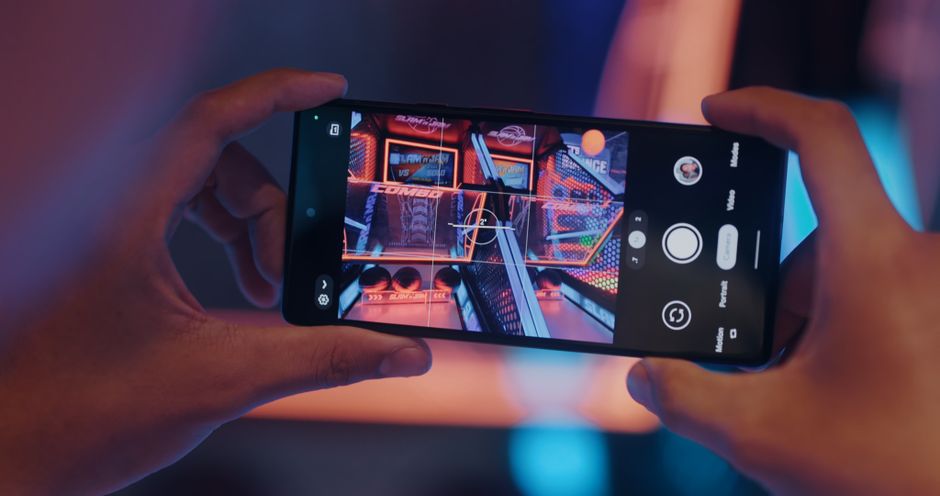
4. Skill-Influenced and Arcade-Style Mechanics
To appeal to generation-next players raised on console and mobile gaming, developers are introducing hybrid skill mechanics.
While regulatory standards mandate that base RTP limits remain mathematically locked, games now incorporate hand-eye coordination or tactical decision-making elements within bonus rounds. Examples include shooting arcade bonus rounds, puzzle mechanics, and strategic path selection.
5. Mobile-First UX and Portrait Mode Optimization
Over 70% of global iGaming traffic now originates from mobile smartphones. Consequently, major software providers have shifted toward a mobile-first design strategy:
- One-Handed Portrait Controls: User interfaces are designed specifically for single-thumb navigation on screen sizes.
- Lightweight HTML5 Assets: Modern compression techniques reduce loading times over mobile cellular networks.
- Haptic Feedback: Subtle device vibrations enhance tactile engagement during reel stops or big wins.
Recognizing these trends in online casino game design highlights how software studios are shaping the future of digital entertainment.
Frequently Asked Questions About Casino Game Design
Do crash games offer better odds than traditional slot machines?
Crash games typically feature competitive Return to Player (RTP) percentages ranging from 96% to 97%. While the player controls when to cash out, the crash point is still generated by a certified Random Number Generator (RNG), making long-term mathematical expectations similar to high-RTP slot titles.
How do skill-based slot bonus rounds work without violating casino regulations?
Skill-based mechanics operate within strictly calculated mathematical boundaries. The game's software allocates a maximum prize budget for the bonus round via RNG, and player performance determines how much of that maximum pre-allocated pool is awarded.
What visual software engines do modern slot studios use?
Leading iGaming development studios utilize modern rendering engines such as HTML5 frameworks, WebGL, and engines like Unity or Unreal Engine. These tools enable rich 3D graphics, smooth particle effects, and multi-platform compatibility across desktop and mobile devices.


Comments
Post a Comment