How Live Dealer Casinos Work Behind the Scenes
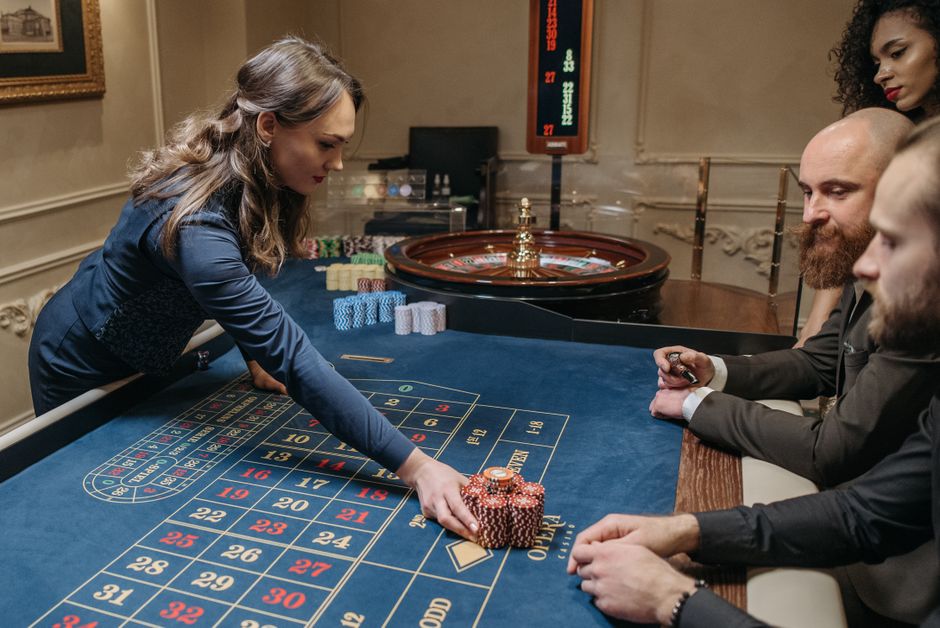
Live dealer casinos look simple on the surface, but the system behind them is built like a small broadcast studio. When you understand how live dealer casinos work behind the scenes, the whole format makes more sense: the dealer, the cameras, the betting window, and the game engine all have to stay synchronized.
That is why the experience feels more immersive than a normal digital table. You are not just watching software spin a wheel or deal cards. You are watching a real-time production that has to keep the video and the game state perfectly aligned.
Why live dealer games feel different
Live dealer games appeal to players because they combine the atmosphere of a land-based casino with the convenience of online play. You can see a real person dealing the cards or spinning the wheel, which makes the experience feel more tangible than a standard slot session. That visible action creates a stronger sense of trust for many players.
The format also adds a social element. Dealers often speak to the camera, acknowledge the table, and keep the pace moving in a way that feels interactive. That human presence is one reason live dealer games continue to grow across regulated markets.
Inside a live casino studio
A live casino studio is built for one job: broadcast casino games in real time with clear visuals and stable game flow. The room is usually divided into dedicated tables, such as blackjack, roulette, baccarat, and game-show-style products. Each setup has its own dealer stations, camera positions, and control tools.
The studio is also run like a production floor. Technical staff monitor audio, video, cards, wheels, betting windows, and data feeds to make sure everything stays synchronized. In larger studios, multiple tables run at once, which means every round has to be tracked carefully from deal to settlement.
Core studio components
- Real dealers and table layouts.
- Multi-angle cameras for clear visibility.
- Streaming and broadcast infrastructure.
- Control systems for bets and results.
- Compliance and monitoring staff.
A deeper point
The best live casino studios are designed to hide complexity from the player. You should see a smooth broadcast and a clean game interface, not the technical machinery behind it. That invisibility is part of what makes the product feel premium.
What the dealer actually does
The dealer is the visible face of the game, but the role is tightly structured. Dealers follow scripts, procedures, and game rules that keep the session consistent from one round to the next. They are not improvising outcomes; they are operating inside a controlled production environment.
They also help keep the game moving. Dealers announce results, close betting rounds, and maintain table rhythm so players always know what stage the game is in. That timing matters because live games depend on coordination between the dealer, the stream, and the betting interface.
In many studios, dealers are trained to manage multiple responsibilities at once. They have to stay camera-ready, follow the rules exactly, and interact naturally with players. That mix of performance and precision is a big part of the live casino format.
How streaming and betting stay in sync
The biggest technical challenge in live dealer casinos is synchronization. The player needs to see the round in real time while also knowing when bets open, when bets close, and when the final result is locked in. If the timing is even slightly off, the game can feel confusing or unfair.
That is why live casino platforms use tightly controlled systems to match the video feed with the game engine. The round state, the dealer action, and the player interface all have to move together. A clean live table feels effortless, but the work behind it is highly coordinated.
Section With a Table
Use HTML directly for tables to guarantee correct rendering:
| Studio part | What it does | Why players notice it |
|---|---|---|
| Dealer station | Runs the round and announces outcomes. | Creates the human side of the game. |
| Camera system | Shows the table from multiple angles. | Makes the action easy to follow. |
| Streaming software | Delivers the video live to players. | Keeps the experience real-time. |
| Game engine | Tracks bets, timers, and settlement. | Keeps the round state accurate. |
| Monitoring team | Oversees quality and compliance. | Supports stability and trust. |
How providers design the math
Live dealer games still have a house edge. The fact that a real dealer is involved does not change the underlying casino math. The rules, payouts, and bet types are all designed by the provider and approved under the relevant regulatory framework.
This is an important distinction. A live table may feel more transparent because you can see the dealer, but the game is still a regulated gambling product. The streaming format changes the presentation, not the long-run economics.
Game providers spend a lot of time designing rules that feel fair and easy to follow. That includes clear betting windows, intuitive side bets, and round structures that are simple to understand on a phone screen. The goal is to make the experience engaging without making the mechanics hard to read.
Why live dealer casinos keep growing
Live casino studios continue to expand because they meet a strong player demand. Many users want something more immersive than slots but less intimidating than a physical casino. Live dealer tables sit right in the middle, which makes them attractive to a broad audience.
Providers also like the format because it scales well. Once a studio is built, it can serve players across many tables and multiple jurisdictions, as long as licensing and technical rules are met. That makes live casino products a major part of the modern online gambling industry.
What players usually want to know
People searching this topic usually want to know whether live dealer games are truly live, how the studio works, and whether the dealer can influence the result. They also want to understand what makes a live table different from a standard RNG-based game. Those are the right questions because the format only makes sense when the production side is clear.
Players also often ask how many cameras are used, whether cards are scanned automatically, and how the stream stays smooth on mobile. Those details matter because they explain why the game feels stable instead of chaotic. The more visible the process feels, the more trust the player tends to have.
Bullet Lists
Use a blank line before and after every list:
- How do live casino studios work?
- What happens behind live dealer tables?
- Are live dealer games really live?
- How does the stream match the bets?
- Why do live casino games feel so realistic?
Frequently Asked Questions
Are live dealer games fully real?
Yes, the dealer and table are real, but the experience is delivered through streaming and software. The casino is still using a technical system to manage timing and settlement.
Do live dealer games still have a house edge?
Yes. The live format changes presentation, not the underlying math. The casino advantage is still built into the rules.
Why do players like live dealer casinos?
They offer a more human and transparent feel than many automated games. The live interaction makes the table feel closer to a real casino floor.
Conclusion
How live dealer casinos work behind the scenes is mostly about studio production, streaming, and synchronized software. The player sees a real table, but the system behind it is carefully managed so the game stays consistent, readable, and fair.


Comments
Post a Comment